 Image 1 of 1
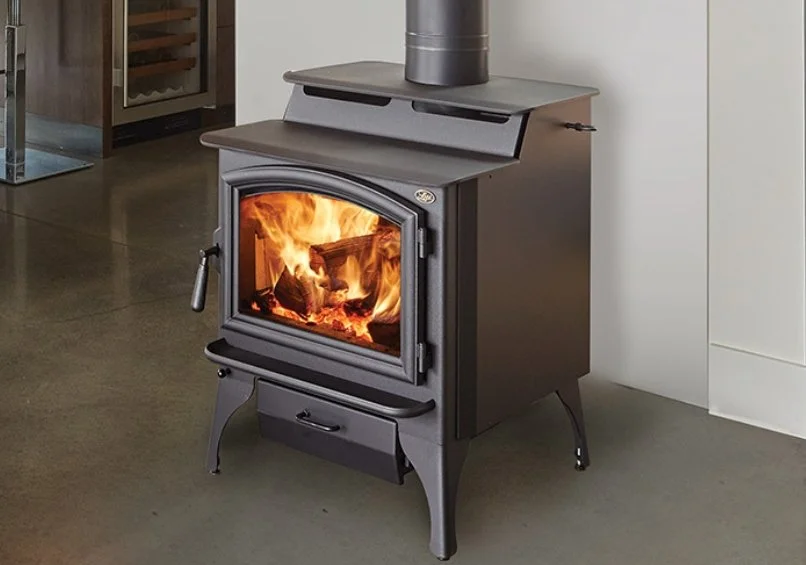
When cleaning a UL 1482 listed high-efficiency closed combustion-controlled wood stove and its connection pipe, a chimney technician's main focus points are creosote removal from critical draft restrictions, inspection of internal baffle systems or catalytic combustors, and verifying the airtight integrity of gaskets and pipe joints.
Because these controlled-combustion appliances burn fuel slowly, they are highly prone to specific styles of creosote accumulation that can severely impact safety and performance.
High-efficiency stoves rely on internal architecture to re-burn smoke. These components must be carefully handled and cleaned:
Baffle Plates: Bypass secondary air baffles must be cleared of hidden ash and creosote accumulations sitting on top of them.
Secondary Air Tubes: Inspecting for warping, sag, or clogged air holes, and clearing any fly ash blocking them.
Catalytic Combustor: If equipped, gently brushing fly ash off the combustor face using a soft-bristle brush.
Bypass Damper: Verifying smooth operation and cleaning the seating area to ensure a smoke-tight seal when closed.
The single-wall or double-wall interior connector pipe requires meticulous attention:
Glaze Creosote: Maintenance includes checking for third-degree (glazed) creosote, which frequently forms in the connector pipe due to cooler startup temperatures.
Joint Integrity: Inspection of all mechanical joints and ensuring they are secured with a minimum of three sheet metal screws per connection.
Slope and Alignment: Verifying the horizontal run (if part of the chimney make-up) maintains a rise of at least 1/4 inch per linear foot toward the chimney.
Controlled combustion requires absolute control over incoming air:
Glass Gaskets: Our techs inspect the seal holding the ceramic glass in place to prevent uncontrolled secondary air leaks.
Ash Pan Door: Clean out the tracks and inspect the gasket on the ash drawer door if the stove has one.
Chimney Flue & Termination
Flue Liner Size: Verified that the chimney flue matches the appliance collar diameter (usually 6 inches) to maintain proper draft velocity.
Cap Spark Arrestor: Clean the mesh screen at the termination point, as high-efficiency stoves produce fine particles that clog screens quickly.
At Rich Build, we understand that balancing your property’s upkeep with your budget is more critical than ever.To meet the current economic needs of our commercial and residential clients, our pricing structure for chimney and fireplace maintenance is directly proportional to the location of our valued clients.By tailoring our rates to your specific address and zip code, we are able to deliver highly competitive, transparent, and fair pricing customized precisely to your neighborhood and project scope.When cleaning a UL 1482 listed high-efficiency closed combustion-controlled wood stove and its connection pipe, a chimney technician's main focus points are creosote removal from critical draft restrictions, inspection of internal baffle systems or catalytic combustors, and verifying the airtight integrity of gaskets and pipe joints.
Because these controlled-combustion appliances burn fuel slowly, they are highly prone to specific styles of creosote accumulation that can severely impact safety and performance.
High-efficiency stoves rely on internal architecture to re-burn smoke. These components must be carefully handled and cleaned:
Baffle Plates: Bypass secondary air baffles must be cleared of hidden ash and creosote accumulations sitting on top of them.
Secondary Air Tubes: Inspecting for warping, sag, or clogged air holes, and clearing any fly ash blocking them.
Catalytic Combustor: If equipped, gently brushing fly ash off the combustor face using a soft-bristle brush.
Bypass Damper: Verifying smooth operation and cleaning the seating area to ensure a smoke-tight seal when closed.
The single-wall or double-wall interior connector pipe requires meticulous attention:
Glaze Creosote: Maintenance includes checking for third-degree (glazed) creosote, which frequently forms in the connector pipe due to cooler startup temperatures.
Joint Integrity: Inspection of all mechanical joints and ensuring they are secured with a minimum of three sheet metal screws per connection.
Slope and Alignment: Verifying the horizontal run (if part of the chimney make-up) maintains a rise of at least 1/4 inch per linear foot toward the chimney.
Controlled combustion requires absolute control over incoming air:
Glass Gaskets: Our techs inspect the seal holding the ceramic glass in place to prevent uncontrolled secondary air leaks.
Ash Pan Door: Clean out the tracks and inspect the gasket on the ash drawer door if the stove has one.
Chimney Flue & Termination
Flue Liner Size: Verified that the chimney flue matches the appliance collar diameter (usually 6 inches) to maintain proper draft velocity.
Cap Spark Arrestor: Clean the mesh screen at the termination point, as high-efficiency stoves produce fine particles that clog screens quickly.
At Rich Build, we understand that balancing your property’s upkeep with your budget is more critical than ever.To meet the current economic needs of our commercial and residential clients, our pricing structure for chimney and fireplace maintenance is directly proportional to the location of our valued clients.By tailoring our rates to your specific address and zip code, we are able to deliver highly competitive, transparent, and fair pricing customized precisely to your neighborhood and project scope.