 Image 1 of 2
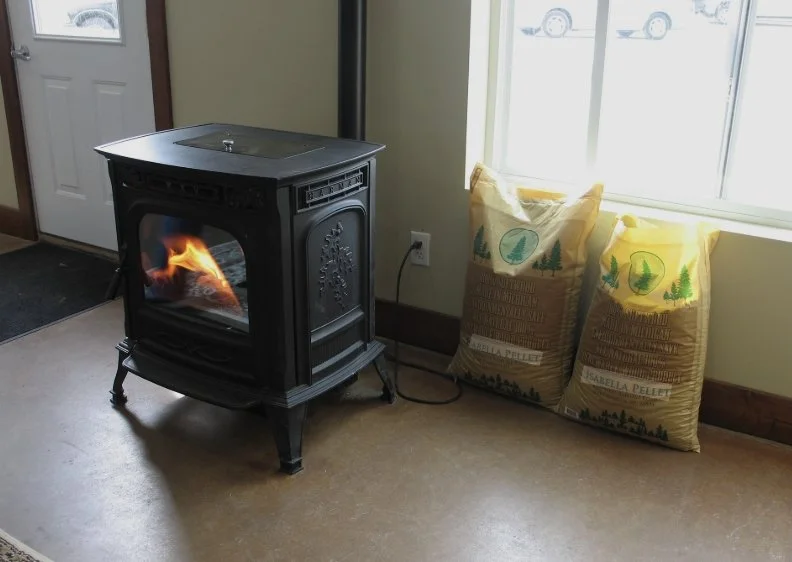 Image 2 of 2
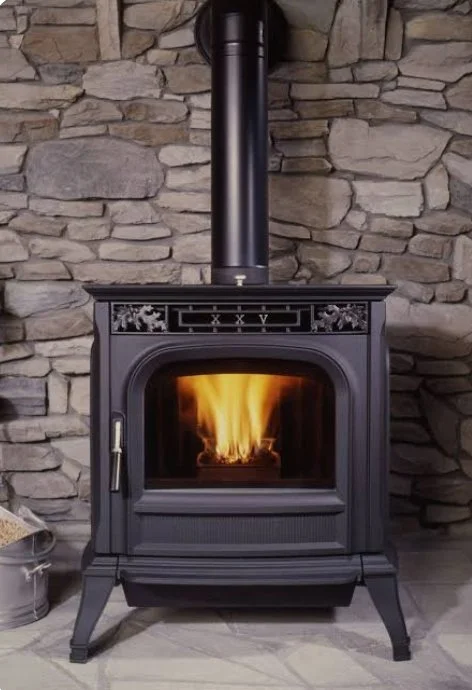
A pellet stove should be cleaned at least once a year, ideally before the heating season begins in the late summer or early fall.
However, how often you actually need to clean it depends heavily on your usage:
Every ton of pellets. Many manufacturers and technicians recommend a thorough cleaning after every 1 ton of pellets burned.
A pellet stove has a higher level of complexity than a traditional wood stove because a pellet stove uses a network of sensors, a control board, and two distinct blower systems to manage combustion and heating safely.
Exhaust Pipe & Liner Sweeping: Brushing and vacuuming fly ash, soot, and creosote buildup from vertical lines, horizontal runs, and chimney liners.
Termination Cap Inspection: Checking the exterior cap on the outside of the home to make sure bird nests, leaves, or debris haven't blocked airflow.
Seal & Gasket Integrity: Inspecting venting connections, silicone joints, and exhaust seals to ensure the pressurized exhaust system remains airtight.
Burn Pot & Air Holes: Scraping hard carbon deposits (clinkers) and clearing out small air holes to restore proper oxygen flow and ignition.
Heat Exchangers & Baffles: Vacuuming and scraping heat exchanger tubes, internal baffles, and firewalls where fly ash accumulates.
Ash Traps & Secondary Chambers: Emptying hidden or overlooked ash traps and cleanout covers behind the fire chamber.
Combustion & Convection Fans: Cleaning dust and ash off fan blades, motor housings, and air intakes, and lubricating motor bearings as needed.
Door Gaskets: Performing checks (such as the dollar-bill test) on door ropes and window seals to spot air leaks.
Glass Cleaning: Removing baked-on soot and residue from the stove's glass door.
Test Firing: Running a full start-up test after reassembly to confirm the stove ignites, ramps up, and operates safely.
At Rich Build, we understand that balancing your property’s upkeep with your budget is more critical than ever.To meet the current economic needs of our commercial and residential clients, our pricing structure for chimney and fireplace maintenance is directly proportional to the location of our valued clients.By tailoring our rates to your specific address and zip code, we are able to deliver highly competitive, transparent, and fair pricing customized precisely to your neighborhood and project scope.A pellet stove should be cleaned at least once a year, ideally before the heating season begins in the late summer or early fall.
However, how often you actually need to clean it depends heavily on your usage:
Every ton of pellets. Many manufacturers and technicians recommend a thorough cleaning after every 1 ton of pellets burned.
A pellet stove has a higher level of complexity than a traditional wood stove because a pellet stove uses a network of sensors, a control board, and two distinct blower systems to manage combustion and heating safely.
Exhaust Pipe & Liner Sweeping: Brushing and vacuuming fly ash, soot, and creosote buildup from vertical lines, horizontal runs, and chimney liners.
Termination Cap Inspection: Checking the exterior cap on the outside of the home to make sure bird nests, leaves, or debris haven't blocked airflow.
Seal & Gasket Integrity: Inspecting venting connections, silicone joints, and exhaust seals to ensure the pressurized exhaust system remains airtight.
Burn Pot & Air Holes: Scraping hard carbon deposits (clinkers) and clearing out small air holes to restore proper oxygen flow and ignition.
Heat Exchangers & Baffles: Vacuuming and scraping heat exchanger tubes, internal baffles, and firewalls where fly ash accumulates.
Ash Traps & Secondary Chambers: Emptying hidden or overlooked ash traps and cleanout covers behind the fire chamber.
Combustion & Convection Fans: Cleaning dust and ash off fan blades, motor housings, and air intakes, and lubricating motor bearings as needed.
Door Gaskets: Performing checks (such as the dollar-bill test) on door ropes and window seals to spot air leaks.
Glass Cleaning: Removing baked-on soot and residue from the stove's glass door.
Test Firing: Running a full start-up test after reassembly to confirm the stove ignites, ramps up, and operates safely.
At Rich Build, we understand that balancing your property’s upkeep with your budget is more critical than ever.To meet the current economic needs of our commercial and residential clients, our pricing structure for chimney and fireplace maintenance is directly proportional to the location of our valued clients.By tailoring our rates to your specific address and zip code, we are able to deliver highly competitive, transparent, and fair pricing customized precisely to your neighborhood and project scope.